Robotics & motion
Mechanism concepts, structures, enclosures, actuators, interfaces and integration of moving systems.
Explore robotics →Design and engineering support for robotics, drones, custom electronics and consumer products—connecting mechanical systems, electronics, batteries and the decisions that carry a product into production.
DESIGN THINKING / SYSTEM INTEGRATION / PRODUCT LIFECYCLE
Texas-based · Approximately 60 miles from the planned Tesla–SpaceX Terafab site in Grimes County.
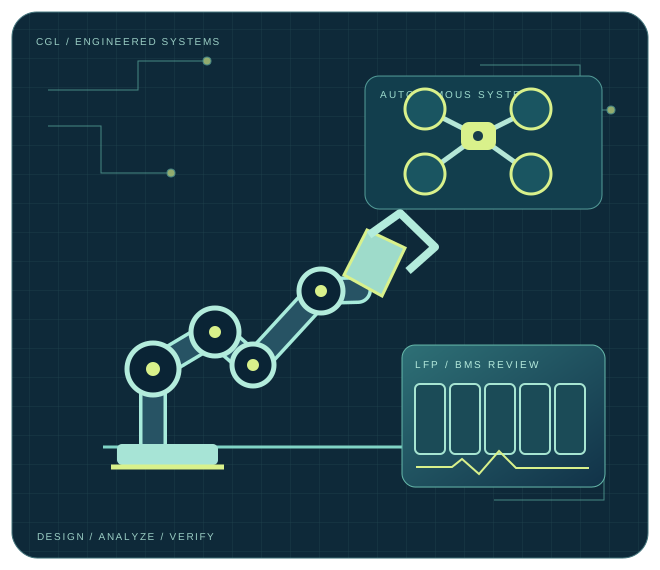
A product is more than a CAD model or a circuit board. We connect mechanical design, electronic integration, performance expectations and the practical realities of building and maintaining hardware.
Mechanism concepts, structures, enclosures, actuators, interfaces and integration of moving systems.
Explore robotics →Mechanical design and integration considerations for airborne and mobile platforms, payloads and power systems.
Explore drones →Product architecture, packaging, custom electronic-system integration and manufacturable consumer hardware.
Explore electronics →Engineering review of lithium iron phosphate battery integration, protection, monitoring and battery management systems.
Explore battery work →Use AI as an engineering aid for research, concept exploration, technical documentation and iterative evaluation—with human review.
Explore AI workflows →From requirements and supplier decisions through build readiness, engineering changes and ongoing technical support.
Explore lifecycle support →In an LFP-powered product, electrical performance depends on the whole system: cell selection, pack configuration, BMS logic, charging behavior, thermal conditions, protection and operating requirements.
We can support engineering review of battery architectures, management-system requirements and test evidence, with attention to the interfaces between power, controls and the finished product.
Battery & BMS capabilities ↗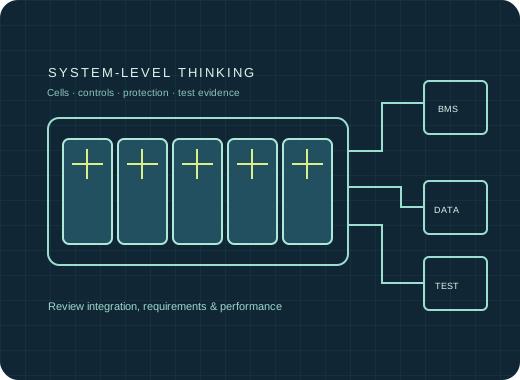
Our approach considers the product lifecycle: defining the need, developing the design, evaluating suppliers, observing tests and supporting the changes that follow production.
Translate needs into product functions, constraints, risks and technical objectives.
Align mechanical, electrical and battery interfaces with assembly and manufacturing needs.
Observe agreed test activities, document conditions and results, and prepare factual third-party reports.
Review supplier questions, engineering changes, field feedback and product revisions.
Share the concept, design question or testing need. We can discuss scope and next steps.